Tsavo West‘s elephants are living through one of the toughest dry spells in years. Failed rains through early 2026 have left waterholes low across the park, and rangers are watching herds travel further each week just to drink. Here is what is actually happening, and what it means for your trip, whether you have a Tsavo safari booked or you are still deciding on timing.
Reporting from Mongabay on July 8, 2026 put a number on the scale of the problem. Roughly 14,000 elephants across the wider Tsavo Conservation Area each need about 53 gallons, or 200 liters, of water a day. When rain fails, that math turns brutal fast. Touring Insights built this guide from that reporting and standard park logistics, not speculation.
What’s Happening to Tsavo West’s Elephants Right Now
The rains that normally refill Tsavo West’s rivers and pans between March and May came in far below normal in 2026. Rivers that usually run through the dry season, including stretches of the Tsavo River, dropped to isolated pools. Smaller seasonal pans dried out completely by June.
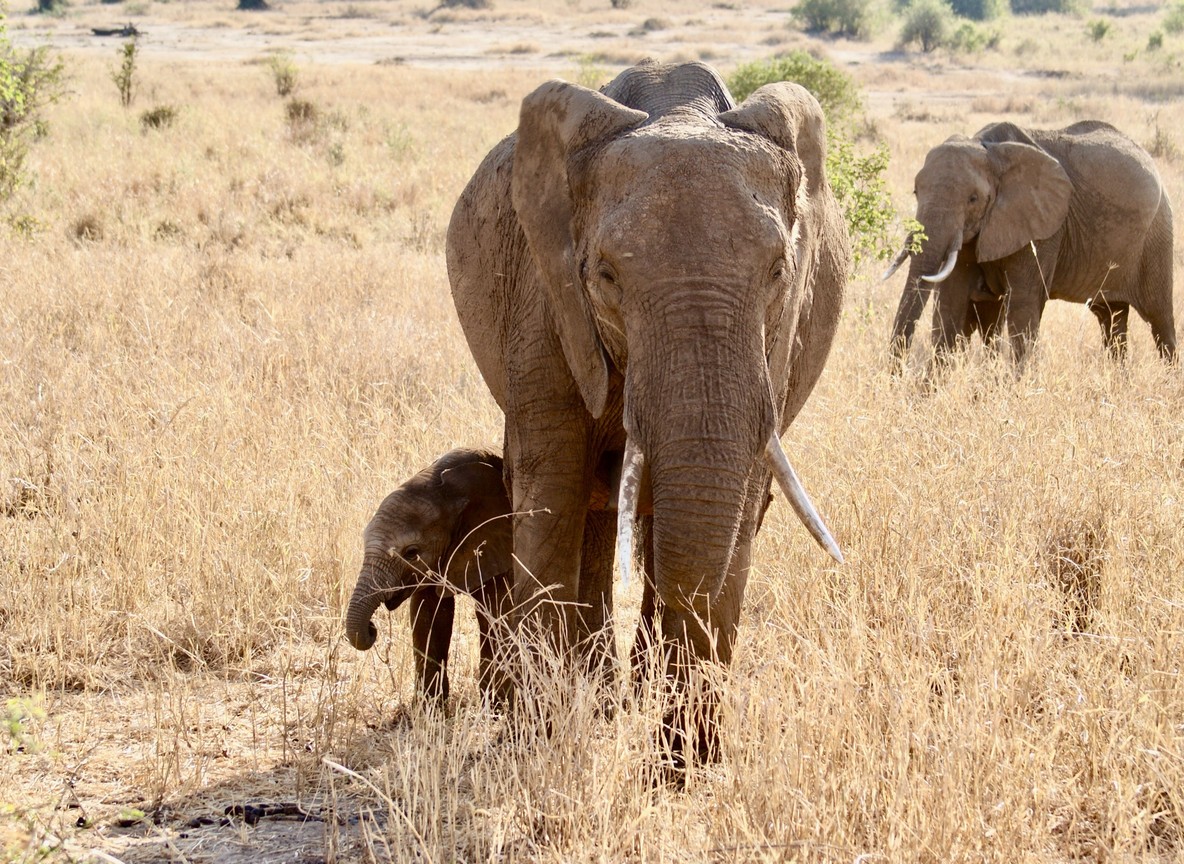
Elephants respond to that shortage by moving. Herds are covering longer distances between grazing areas and reliable water, which burns energy at exactly the moment food and water are both scarce. Rangers and researchers are tracking body condition closely, since calves and older elephants struggle first when a drought stretches past a few months.
Why This Drought Is Hitting Harder Than a Normal Dry Season
Tsavo West always has a dry season. What makes 2026 different is back-to-back rain failure. A single weak rainy season is manageable, since underground water and larger permanent sources usually carry wildlife through. Two failed seasons in a row leaves far less buffer.
That buffer matters most for elephants because of their sheer daily water demand. A dry season that a smaller antelope species rides out easily can push an elephant herd toward genuine stress. Conservation teams in the park are prioritizing water point maintenance for exactly this reason.
How Much Water One Elephant Needs a Day
An adult elephant drinks about 53 gallons, or 200 liters, of water daily under normal conditions. That is roughly three full bathtubs, every single day, per animal. Multiply that across an estimated 14,000 elephants in the Tsavo Conservation Area and the daily water requirement runs into the millions of liters.
Elephants also use water for cooling and skin care, not just drinking, which raises demand further during hot, dry months. When natural sources shrink, herds concentrate around the few reliable points left. That crowding raises competition between elephant family groups and pressures the same waterholes that other species, from buffalo to zebra, also depend on.
Where the Crisis Is Worst: Mzima Springs and the Southern Waterholes
Mzima Springs, fed by underground flows from the Chyulu Hills, remains one of Tsavo West’s most dependable water sources even in a hard drought year. It has become a magnet for wildlife this season, with hippos, elephants, and buffalo all converging on the same stretch of pools.
Waterholes further from Mzima are faring worse. Pans near Kamboyo and along the Rhino Valley circuit have dropped sharply, and rangers report some drying out entirely by mid-2026. KWS teams have been trucking water to select points to relieve pressure, a stopgap measure rather than a fix for the underlying rain shortfall.
Tsavo West Drought Snapshot: Numbers to Know
| Fact | Detail |
|---|---|
| Tsavo West National Park size | ~9,065 km² |
| Wider Tsavo Conservation Area (Tsavo East + West + sanctuaries) | ~42,000 km² |
| Elephant population, Tsavo Conservation Area | ~14,000 (per Mongabay, reported Jul 8, 2026) |
| Daily water need, one adult elephant | ~53 gallons / 200 liters |
| Mombasa to Tsavo West (Chyulu/Tsavo gates) by road | ~200 km, roughly 3-3.5 hours |
| Nairobi to Tsavo West (Mtito Andei area) by road | ~240 km, roughly 4-4.5 hours |
| Nairobi (Wilson Airport) to Kilaguni Airstrip by air | ~45 minutes |
| Non-resident park entry fee | $45-60/day (indicative, confirm current KWS rate before travel) |
Park fees and gate rules shift with KWS reviews, so treat the entry fee as an indicative range only. Confirm the current rate through your operator or the KWS website before you travel.
Is It Safe and Ethical to Visit Tsavo West Right Now
Yes, and your visit does not compete with the elephants for water. Lodges and camps in Tsavo West draw from boreholes and stored supplies, separate from the natural waterholes wildlife depends on. Tourism income also helps fund the water trucking and infrastructure work KWS is running this season.
A drought does change what you will see. Wildlife viewing near remaining water sources tends to improve during dry spells, since animals concentrate where water still exists. Guides at camps near Kilaguni and Ngulia report strong sightings around Mzima Springs and a handful of maintained waterholes for exactly this reason.
Travelers sometimes worry that visiting during a drought is insensitive to struggling wildlife. It is the opposite. Responsible tourism revenue funds boreholes, ranger patrols, and water trucking, the same interventions keeping herds alive through a hard season.
What the Drought Means for Your Game Drives and Timing
Expect longer game drives between camps and water points as guides chase where the animals actually are. Early morning and late afternoon drives near Mzima Springs and the surviving southern waterholes are currently the most productive slots.
Pack for dust and heat more than usual. Bring extra water, sun protection, and a scarf or buff for dusty tracks, since dry conditions kick up more dust than a normal-rainfall year. Routes do shift this season, as rangers redirect traffic away from fully dried pans. Confirm with your camp whether your planned circuit has changed before each drive.
Explorer Notes
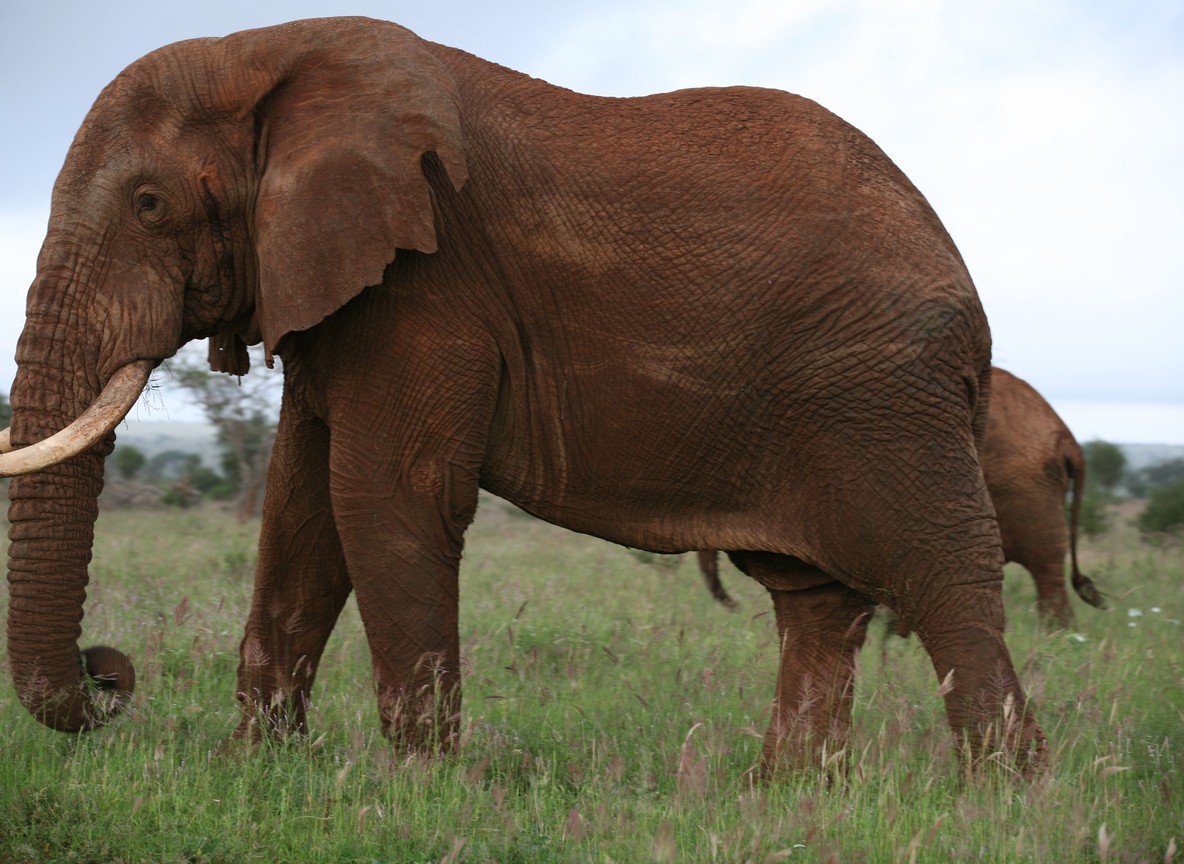
Guides working the Kamboyo and Ngulia circuits say the best drought-season sightings cluster near Mzima Springs in the first two hours after sunrise, before heat pushes animals into shade. Ask your driver-guide which waterholes KWS has been actively supplying. Those spots hold wildlife more reliably than a dry, unsupported pan on the map. Bring binoculars rather than pushing for a close approach. Elephants under water stress can act more defensive around a vehicle than usual, especially mothers with young calves. Dust and heat haze also affect afternoon photography, so shoot your best frames in that early morning window.
What to Read Next
- Planning the wider trip? See our Tsavo West National Park safari guide for camps, gates, and circuits.
- Weighing which side of Tsavo to visit? Compare parks in our Tsavo East vs Tsavo West guide.
- Curious about timing beyond this drought? Read our seasons in Tsavo West guide for a month-by-month breakdown.
FAQ
Is Tsavo West safe to visit during the 2026 drought? Yes. Camps and lodges draw water from boreholes and stored supplies, separate from wildlife water sources, and your visit does not compete with elephants for water.
How many elephants live in the Tsavo Conservation Area? Roughly 14,000, according to reporting from Mongabay published July 8, 2026, spread across Tsavo East, Tsavo West, and connected sanctuaries.
Where can I see the most wildlife in Tsavo West during a drought? Mzima Springs and a handful of actively maintained waterholes near Kamboyo and Ngulia are drawing the heaviest wildlife concentrations this season.
Is the drought affecting park access or gate hours? No widespread closures have been reported. Some routes near fully dried pans may be temporarily rerouted, so confirm current circuit access with your camp before each drive.
Does visiting during a drought help or hurt conservation efforts? It helps. Tourism revenue supports the water trucking, borehole maintenance, and ranger patrols that are keeping herds through this dry spell.
Further reading
More safari planning resources
- Map of Tsavo from Valley Safaris
- Tsavo complete guide on Touring Insights
- Tsavo destination guide on FindMySafari
- Best time to visit Kenya month-by-month map from Valley Safaris
Ready to plan a Tsavo trip around what the wildlife is actually doing this season? Visit our Tour Packages page to see current camp availability. Or ask a partner operator for a live read on which circuits are producing the best sightings right now.
Related guides: A 3-Day Safari from Diani Beach to Tsavo East and West, Tsavo West Safari Reviews: What Travelers Often Notice.